Woodlice indoors are a damp reading, not an infestation
They cannot breed in your house and they cannot survive a dry room. Both of those are the reason a woodlice spray is usually money for nothing, and neither appears on the pages selling you one.
By The Pest GuyLast updated
The short answer
If you are seeing woodlice indoors, the animal is not the problem you are looking at.
Woodlice do not breed indoors. Every one you find in the house walked in from outside, which means killing the ones in front of you does nothing at all about the supply.
They also cannot survive a genuinely dry room for long. They breathe through gills and lose water fast, so a warm dry hallway kills them in about a day. That gives you the one piece of information that actually matters: if woodlice are living happily in a room, that room is not dry.
So there are two real questions, and neither of them is which powder to buy. Where are they getting in, and why is that part of the house damp enough for them to stay?
They are not insects, and that is the whole mechanism
Woodlice are crustaceans. Lancaster City Council's pest-control sheet puts them in "the same class of animal which includes crabs, lobsters and prawns", and there are about 35 species in the UK. The one you are almost certainly looking at indoors is the common garden woodlouse, Porcellio scaber.
That matters because of how they breathe. As the same guidance puts it, "because of the way they breathe using gills, they need to live in damp places". A woodlouse is running a permanent water deficit. Outdoors it manages by staying under stones, pots and leaf litter. Indoors it has to find somewhere with the same conditions or it dies.
Which is why the places you find them are so consistent. Under the sink. Behind the washing machine. Along the bottom of an external wall. In the corner of a bathroom. Those are not woodlouse preferences so much as the only survivable addresses in a heated house.
The thing almost everyone believes, and it is backwards
The fear is that woodlice eat the house. They do not. They eat decaying plant matter, and the damage council guidance actually attributes to them is chewing plant leaves. They do not eat sound structural timber.
What is true, and is worth more than the myth, is the reverse. Because they feed on wood that is already rotting, a population of woodlice on a joist end, a skirting or a window frame is a signal that the timber is already wet and breaking down. They followed the rot in. They did not start it.
That is a genuinely useful thing to notice, and it is the opposite of the reason people reach for a spray. The spray treats the animal that found the problem.
What the councils actually recommend
It is striking how unglamorous the official advice is, given how much is sold against this problem. Lancaster's sheet says control indoors "can be achieved simply by cleaning the room", that woodlice "can be excluded from a room by sealing potential entry points", that removing "vegetation and rubbish from areas adjacent to the house" helps, and that householders "should also deal with any damp patches that may occur".
Its last line on the subject is the one nobody sells: odd woodlice found indoors "should simply be placed outside".
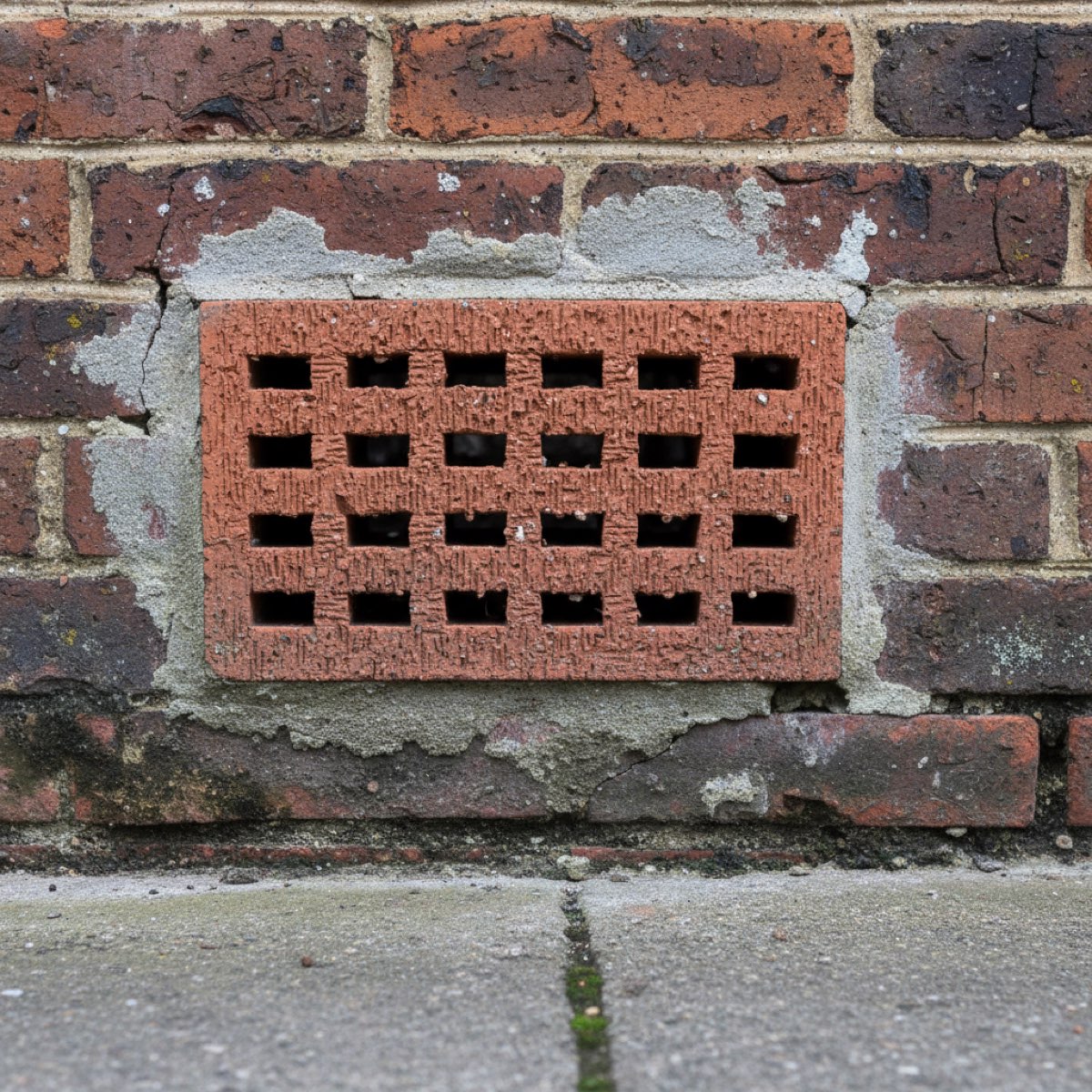
Put in order, that is a short list. Find the gap they are walking through, usually at the bottom of an external wall, around a pipe entry, under a door or through an airbrick. Clear the leaf litter, compost and stacked wood from against the outside walls, because that is the reservoir. Then deal with the moisture in the room, because that is what decides whether the ones that do get in survive long enough for you to see them.
One thing not to do, and it is the obvious thing. Do not block an airbrick. It is there to ventilate the void under your floor, and closing it up trades a few woodlice for damp and rotting joists, which is a spectacularly bad swap. If woodlice are coming through one, fine stainless mesh over the outside face keeps them out and leaves the airflow alone.
When it is worth treating it as a bigger problem
A few woodlice in autumn is weather. Councils describe indoor woodlice as casual visitors arriving with the start of the cold weather, and that is most sightings.
Steady numbers in the same room, all year, is a different signal. They are not breeding in there, so a persistent indoor population means a persistent way in and conditions damp enough to keep them alive. At that point the woodlice have stopped being the subject and the moisture is the subject.
If that is where you are, the question to answer next is which kind of damp you have, because the answer decides everything else and the fixes are not interchangeable. That is a different trade from this one, and the sister site to this one covers it properly. Same rule at the bottom of it: find the source or it comes back.
About this resource
The species count, the classification, the breeding and entry points, and the control advice on this page are taken from published UK council pest-control guidance, principally Lancaster City Council's woodlice fact sheet, and cross-checked against several other local-authority sheets that say the same things.
The honest limit: I have not measured how long a woodlouse survives in your hallway. The "about a day" figure is the standard one in that guidance for a warm dry room, and it is a description of the mechanism rather than a stopwatch reading. I also cannot tell you which species is in your kitchen from a description, and nothing on this page depends on knowing.
Common questions
Do woodlice eat wood?
Not sound timber, no. They feed on decaying plant matter, so they turn up where wood is already rotting rather than causing the rot themselves. Finding them on a joist or a window frame is worth taking seriously, but as a sign that the timber is already wet and breaking down, not as the reason it is.
Why have I suddenly got woodlice in my house?
Almost always because it got colder outside and there is a gap. Lancaster City Council describes woodlice indoors as "entirely casual visitors, searching usually for some protection from the start of the cold weather", and notes they are encouraged by vegetation and rubbish piled against the outside of the house. A sudden appearance usually means autumn, not a change in your house.
Are woodlice dangerous or do they bite?
No. Council pest-control guidance states plainly that woodlice "do not bite and present no risk to human beings". They can chew plant leaves, and that is the extent of it. They are not known to carry disease.
Can woodlice breed in my house?
No. Woodlice do not breed indoors. That single fact is why a spray is usually pointless: every woodlouse you see indoors walked in from outside, so killing the ones in the room does nothing about the supply.
What actually gets rid of them?
Sealing the way in and dealing with the damp that made the room habitable, plus clearing leaf litter and rubbish from against the outside walls. Council guidance is blunt about it: control indoors "can be achieved simply by cleaning the room", and they "can be excluded from a room by sealing potential entry points".
Are woodlice insects?
No, they are crustaceans, in the same class as crabs, lobsters and prawns. That is not a pedantic point. It is the reason they need damp: they breathe using gills, so they dry out and die in a room that is genuinely dry.